
We are an indigenous women-led organization committed to advancing the rights, leadership, and wellbeing of indigenous women and girls. SWT's work is anchored in promoting gender equality, protecting indigenous rights, and strengthening women's agency in decision-making spaces. The Trust's programs are interconnected, holistic, and deeply rooted in indigenous knowledge systems, cultural values, and lived experiences.
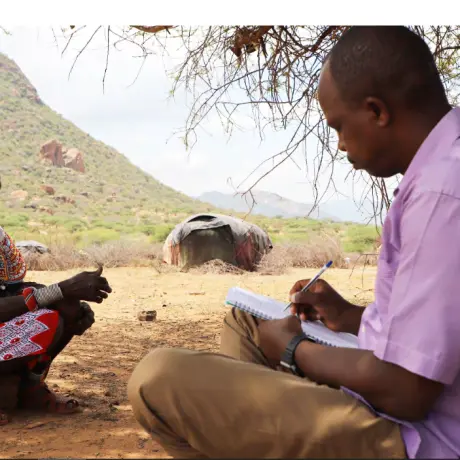
We promote and protect the human rights of indigenous women and girls through advocacy, research, and movement building. The program addresses harmful cultural practices such as Female Genital Mutilation (FGM), child and early forced marriages, and gender-based violence.
Through community dialogues, documentation of human rights violations, and strategic advocacy at local, national, and regional levels, SWT amplifies indigenous women's voices and promotes their participation in decision-making spaces that affect their lives.
The research component strengthens evidence-based advocacy and policy engagement, informing national and global conversations on indigenous women's rights and social justice.
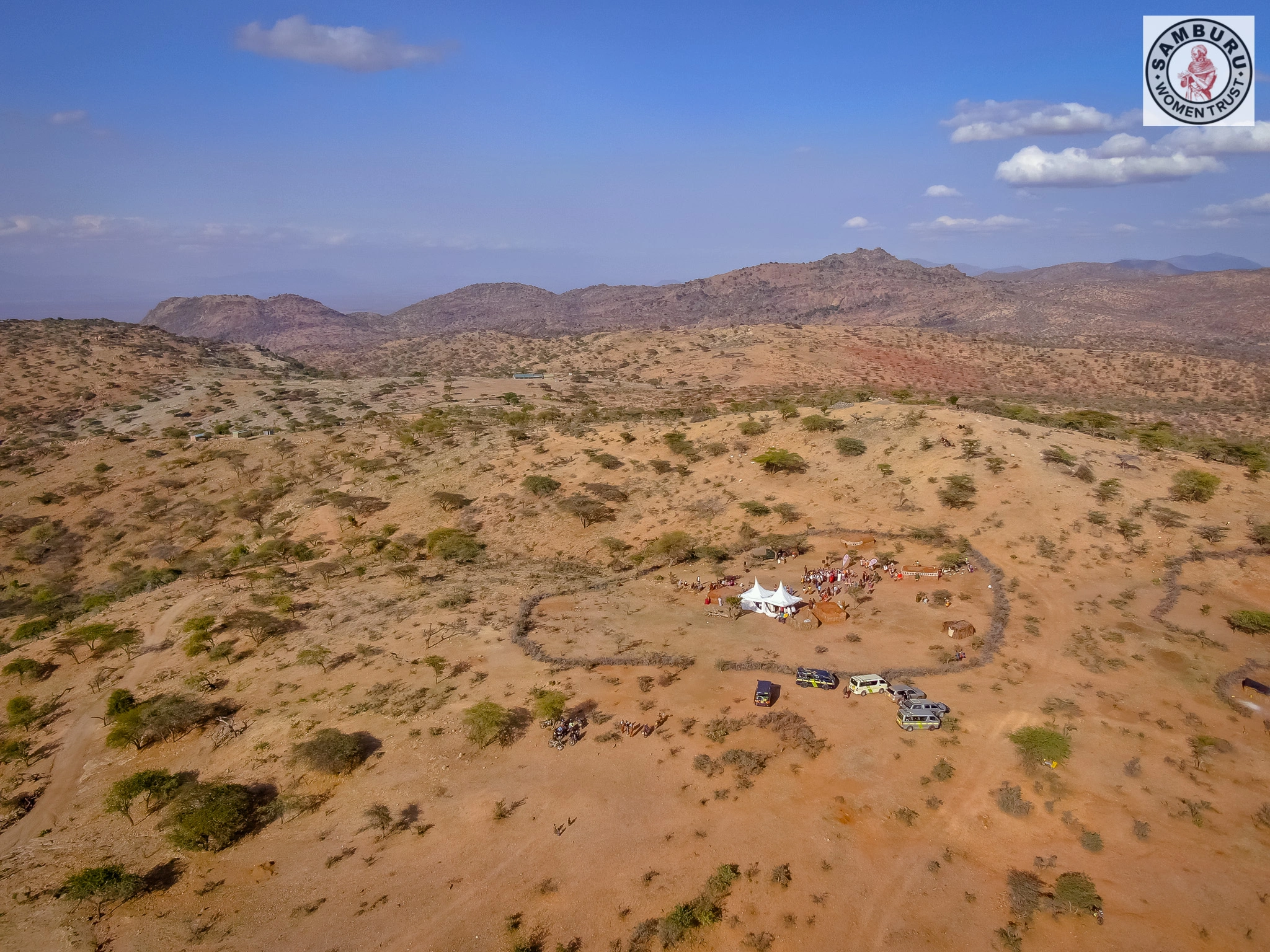
This program promotes the active participation and leadership of indigenous women in climate change adaptation, land rights, and natural resource governance. SWT empowers women to engage in climate resilience actions, advocate for secure land tenure, and influence policies that protect indigenous territories and ecosystems.
By integrating traditional ecological knowledge with modern conservation practices, the program advances sustainable resource management and strengthens women's environmental leadership within their communities.

We enhance the economic resilience and independence of indigenous women by increasing access to livelihood opportunities, skills development, and financial inclusion.
The program supports women-led enterprises, value addition, and sustainable economic activities that leverage indigenous knowledge, crafts, and natural resources. It promotes collective savings and investment models such as Village Savings and Loan Associations (VSLAs), enabling women to improve their household income and contribute to community development.
a) Naramat Indigenous Women Arboretum: Under this initiative, SWT integrates women's economic empowerment with environmental conservation. The arboretum serves as a living space for indigenous women to nurture tree planting, biodiversity conservation, and eco-based livelihoods while preserving indigenous plants and cultural knowledge connected to nature.
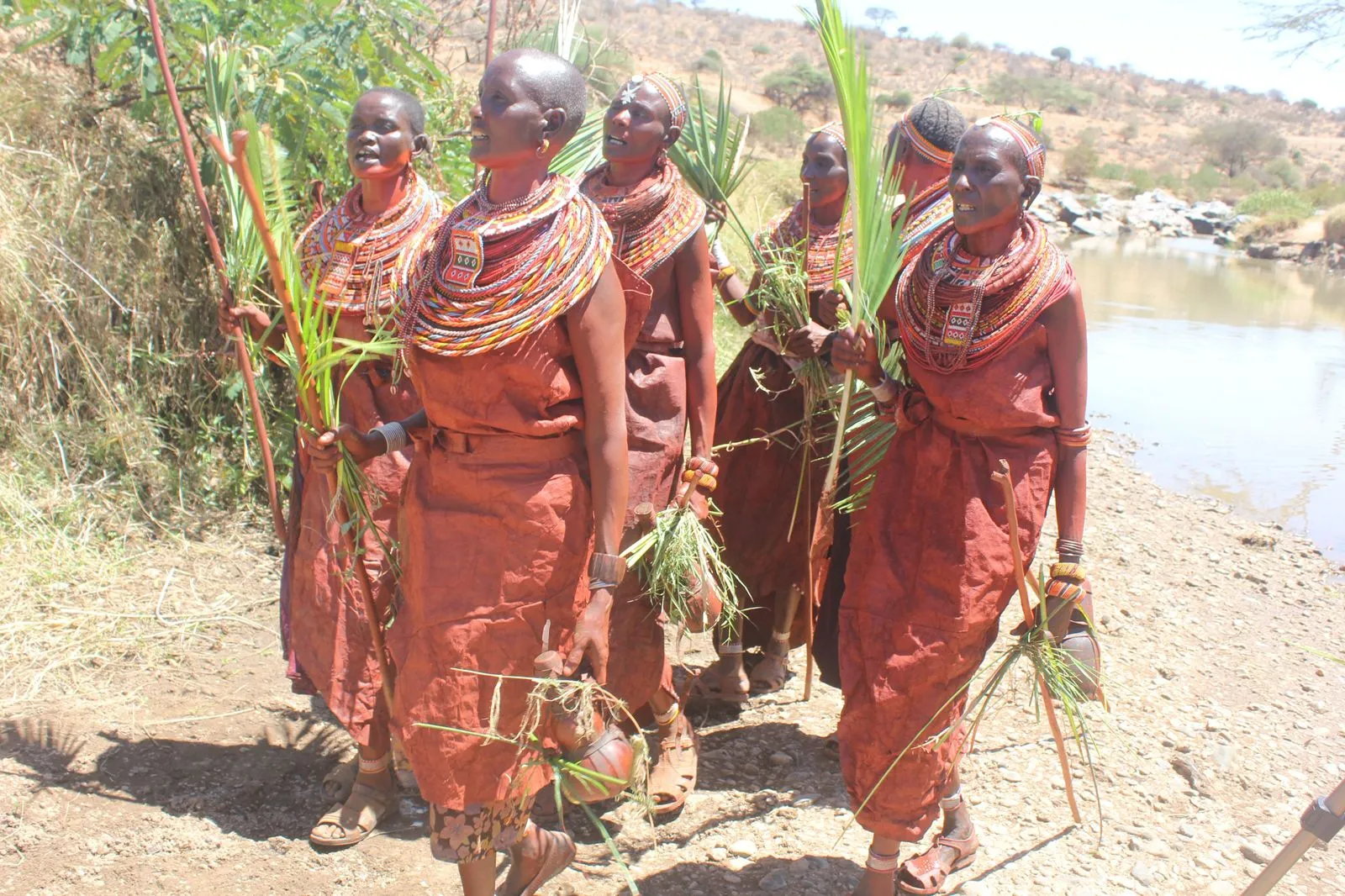
This thematic area preserves and promotes indigenous knowledge systems, cultural practices, and spiritual values that sustain community harmony, peace, and environmental balance.
SWT recognizes the deep connection between nature, spirituality, and livelihoods within indigenous communities. Through documentation, mentorship, and intergenerational knowledge sharing, SWT revitalizes indigenous practices that promote peace, coexistence, and ecological stewardship — ensuring that cultural identity remains central to sustainable development.
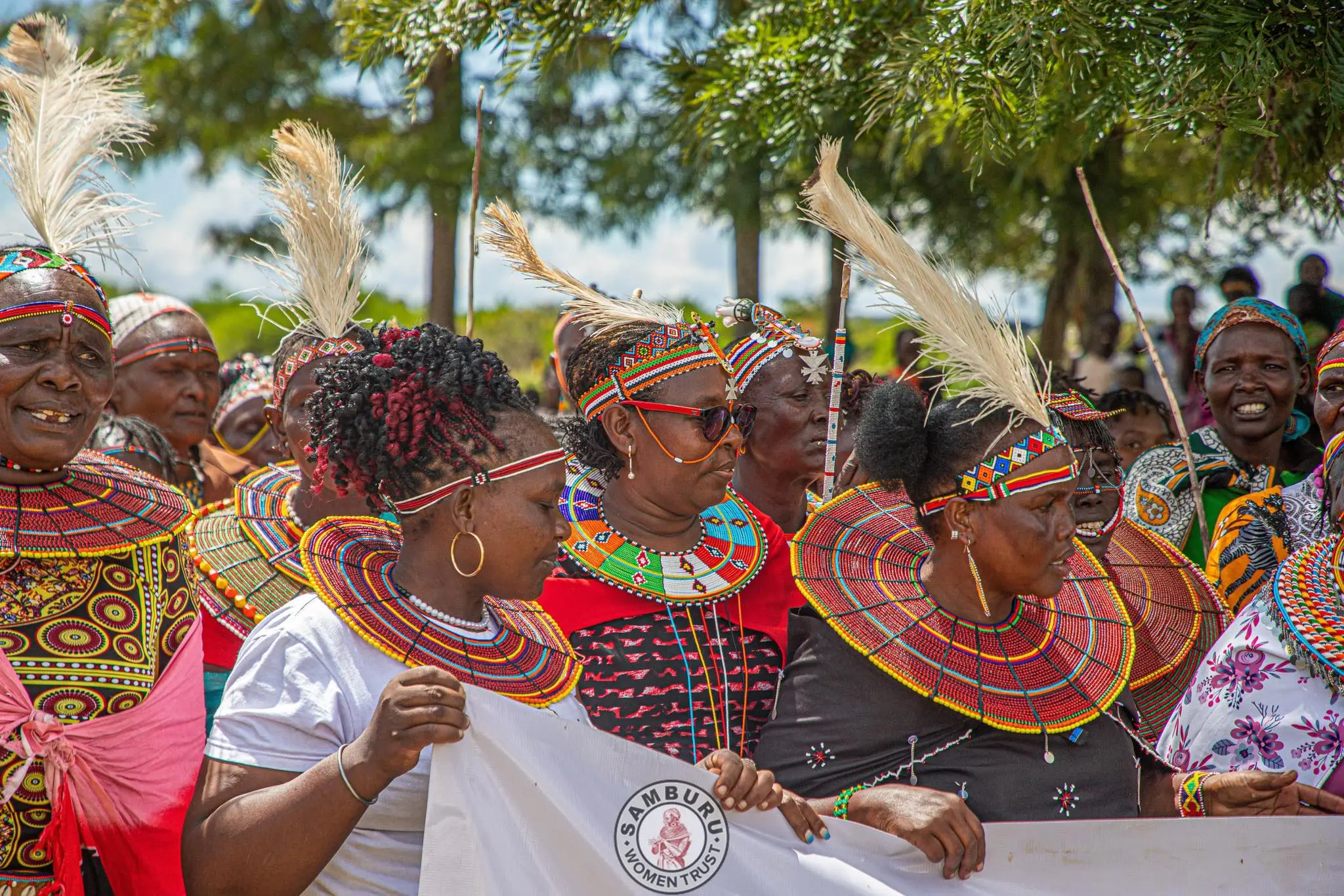
We are dedicated to strengthening the leadership, organizational, and technical capacities of indigenous women, youth, and community-based networks.
The program focuses on governance, strategic partnerships, mentorship, leadership training, and resource mobilization to enhance institutional sustainability and impact.
It also facilitates learning exchanges, movement-building, and solidarity platforms for indigenous women to share experiences, learn from each other, and amplify collective voices in regional and global spaces.
a) NAAPU Indigenous Women-led Fund – Africa: Through the NAAPU Fund, SWT provides sub-grants, mentorship, and capacity-building support to emerging indigenous women-led organizations across Africa. The fund fosters grassroots leadership, strengthens accountability, and promotes collaboration within the indigenous women's movement, ensuring resources reach those at the frontline of change.
Indigenous Women's Social Movement Building
At the heart of Samburu Women Trust (SWT) and the Indigenous Women Council (IWC) lies a vibrant social movement - one built on solidarity, sisterhood, and the power of collective voices. We believe that true transformation begins when women and communities organize, mobilize, and lead their own change.
Through years of grassroots organizing, SWT and IWC have nurtured a movement that connects Indigenous women across Kenya and Africa from remote villages to national and global platforms. Our movement amplifies the lived realities, wisdom, and leadership of Indigenous women, ensuring that their voices influence policies, shape development agendas, and reclaim cultural pride.
By bridging generations, SWT/IWC strengthens networks of young women leaders, elders, traditional leaders, and human rights defenders. Together, they champion gender justice, land rights, political participation, and cultural integrity. This intergenerational movement transcends borders turning local struggles into global solidarity and transforming silence into power.
Our social movement building is not just advocacy — it is a process of awakening. It restores confidence, reclaims identity, and redefines what leadership looks like among Indigenous women and girls.