
For generations, Indigenous communities have maintained deep relationships with their lands and territories. These landscapes provide livelihoods, sustain cultural practices, preserve traditional knowledge and form an important part of community identity.
Yet across Indigenous territories, questions around land governance, ownership, development, climate change and decision-making continue to shape the future of communities.
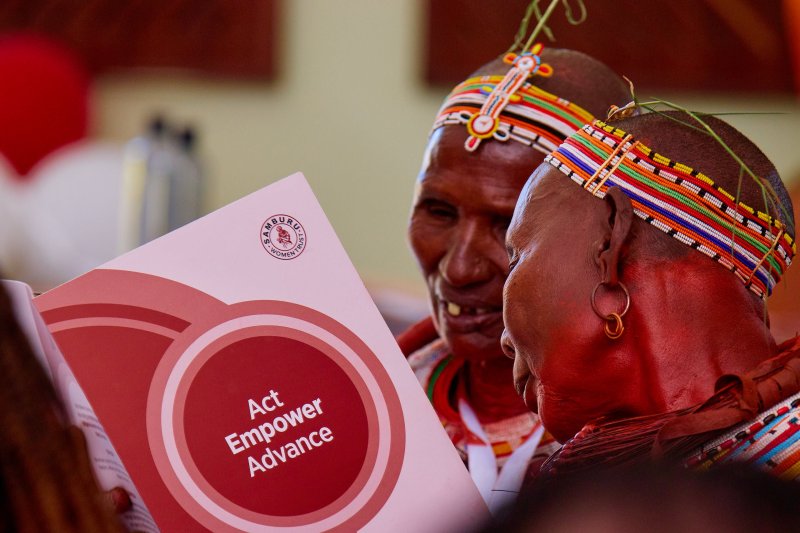
These issues took centre stage during the 12th Annual National Indigenous Women Conference 2026 in Isiolo County.
Community land is more than property
For Indigenous communities, land cannot simply be viewed as an economic asset.
It is where communities raise families, practice their cultures, graze livestock, preserve traditional knowledge and maintain relationships between generations.
The conference therefore placed land rights, territory and self-determination among its central areas of discussion, recognizing the need to strengthen Indigenous women’s participation in decisions concerning ancestral territories.
The challenge of inclusive development
Participants questioned whether national and county development processes are adequately responding to the realities of Indigenous and pastoralist communities.
For many communities living in remote and vast territories, limited infrastructure, services and resources continue to affect access to development opportunities.
This makes the question of inclusion particularly important.
Development policies and investments must reach communities in ways that recognize their unique environments, livelihoods, cultures and priorities.
The conference’s broader goal is to amplify Indigenous women’s voices and solutions while influencing national and global policy and financing systems.
Women leading advocacy
Indigenous women are increasingly taking leadership in advocating for land rights, climate justice, community development and stronger governance systems.
Their leadership is rooted in lived experience.
Women understand the direct consequences of changes affecting land, water, livestock, food systems and community livelihoods. They are also often at the forefront of finding practical solutions within their communities.
The conference therefore emphasized the importance of strengthening Indigenous women’s leadership and policy influence through collective advocacy and coordinated action.
From consultation to meaningful participation
Meaningful inclusion requires more than inviting Indigenous women to meetings.
It requires creating spaces where their knowledge and priorities influence decisions.
It means strengthening grassroots movements, supporting women-led advocacy and ensuring that Indigenous women have the resources and platforms required to engage with governments, policymakers, development partners and other decision-makers.
The conference’s approach deliberately centers Indigenous-led, participatory, feminist and intergenerational engagement, including policy dialogues, storytelling, mentorship, community solutions and coalition-building.
A future defined by self-determination
The land question is ultimately a question about the kind of future Indigenous communities want to build.
The 12th Annual National Indigenous Women Conference reaffirmed that Indigenous women must be recognized as partners and leaders in creating that future.
Their voices are essential to building communities where land rights are protected, livelihoods are resilient, knowledge is valued and development is inclusive.
The journey towards self-determination continues—but Indigenous women are already leading the way.